Home> showlist
Breathing ventilators are extremely important machines, they help you breathe when you're finding it hard to do it on your own. Hospitals use these machines for patients who are very sick and need extra help to breathe. Here’s how ventilatores spirandi work, and why they’re crucial for life support in critical care.
Breathing ventilators, such as those produced by Ventmed, are essential in critical care. They are typically used to assist patients who have difficulty breathing as a result of an illness or an injury. These devices provide oxygen to the lungs while also removing carbon dioxide from the body, helping to keep the patient — whose blood is oxygen-poor — alive.
Breathing ventilators are life-saving devices that allow people to breathe when they cannot do so on their own. This may be related to things like pneumonia, respiratory distress, or lung-related trauma. Ventilators push air into the lungs through a tube inserted into the patient’s airway, to make sure oxygen gets to the bloodstream and vital organs.
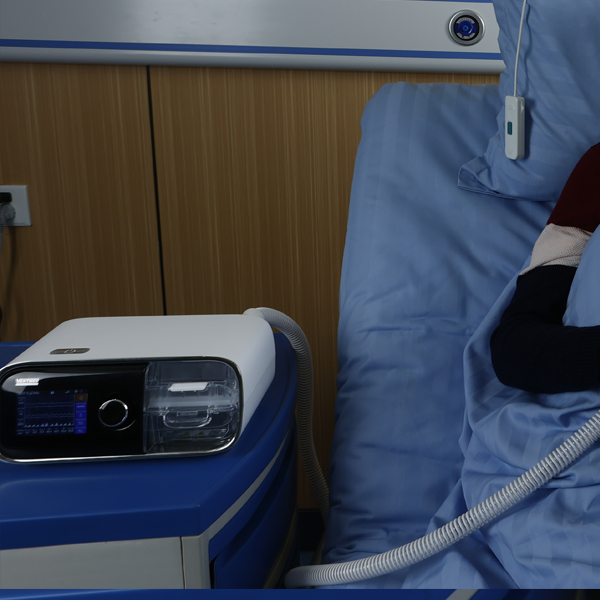
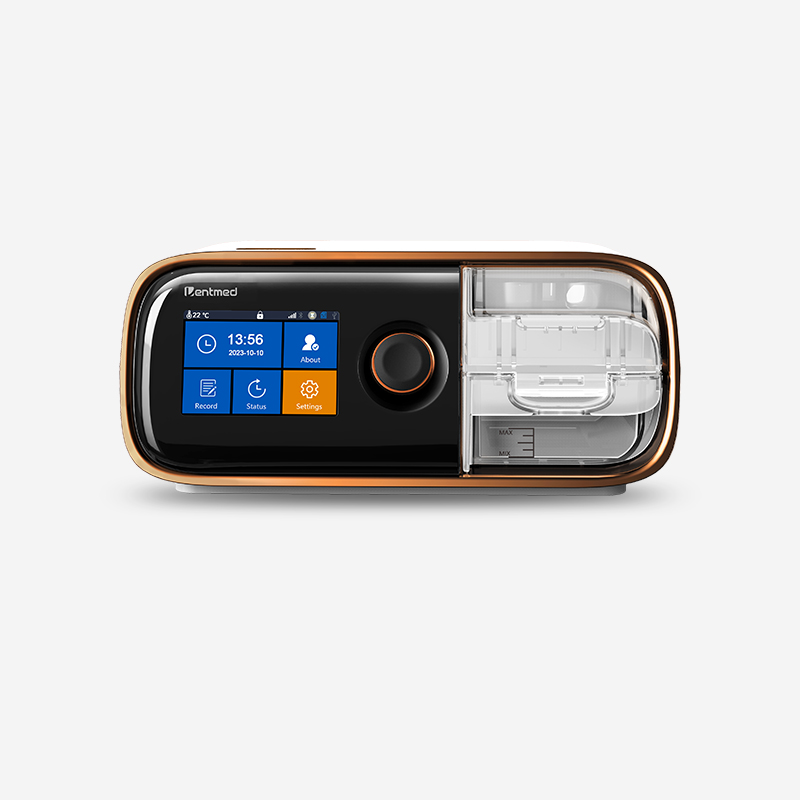
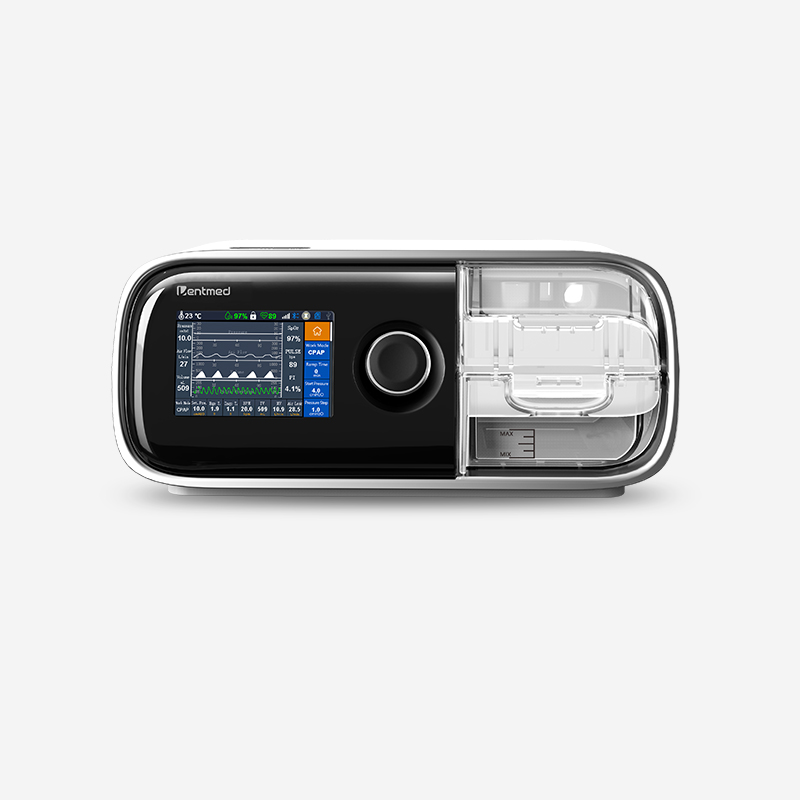
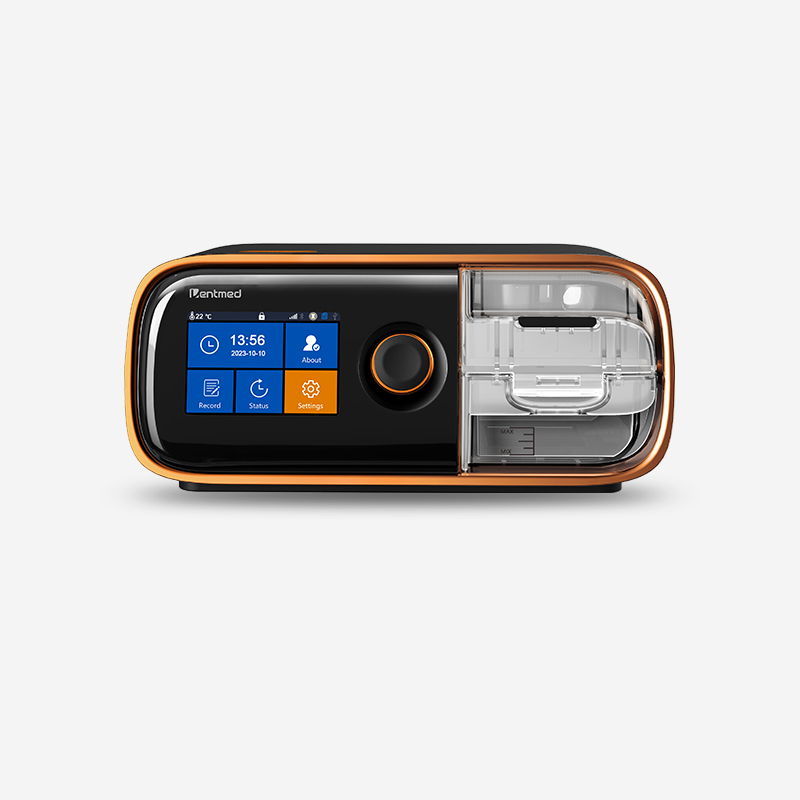
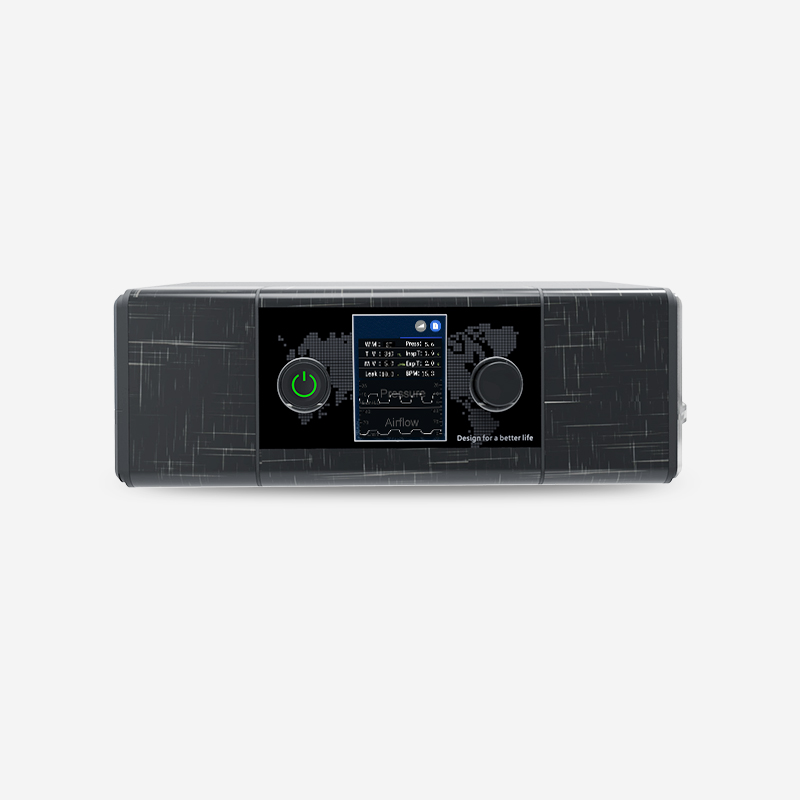
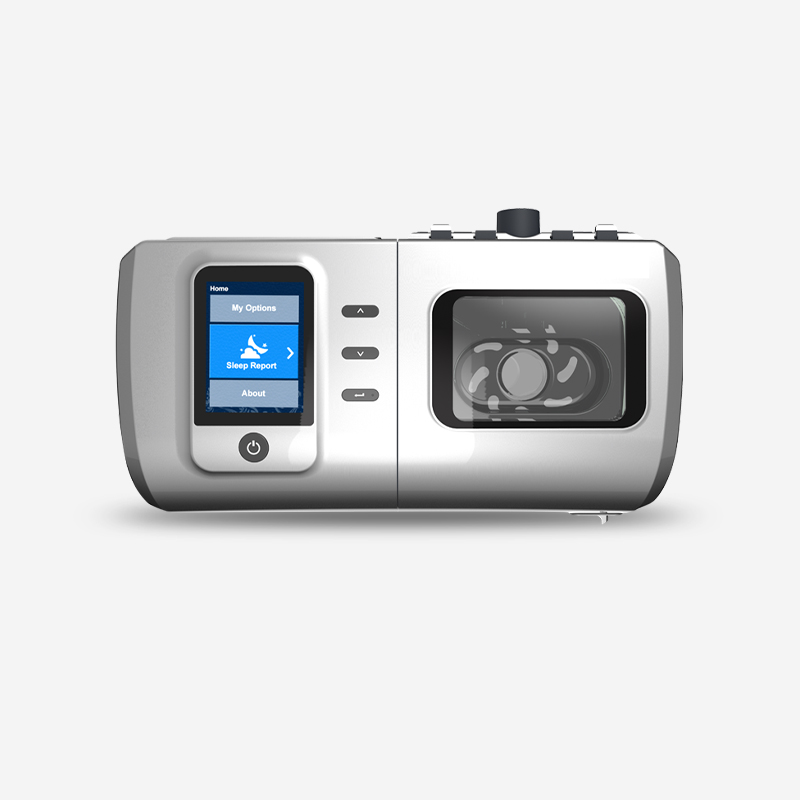
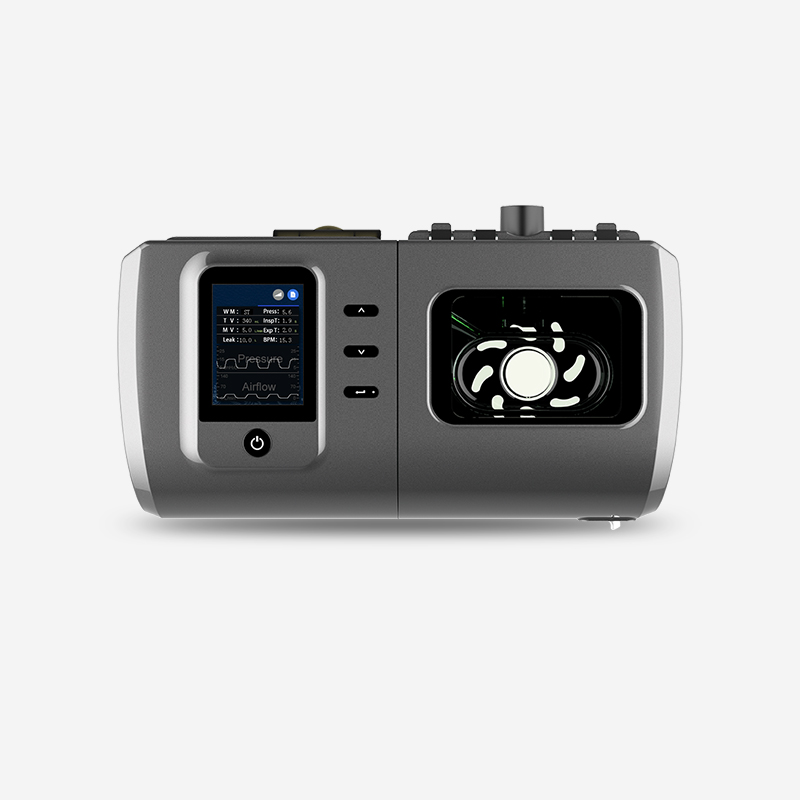
Ventilators that breathe: The breathing ventilator is a highly technological device that provides the right amount of oxygen to a patient in need. They follow a patient’s breathing and supply air when it is needed. With a few such devices, the ventilator can even feel when a patient is trying to take a breath on their own and offer the support it deems necessary. "The technology found in Ventmed's Ventilatores Curae Domesticae reflects the best the market has to offer when it comes to providing the best possible patient care.

ACIVS settings Adequate ventilator settings are essential to providing the best care to patients in critical condition. Ventilator parameters [8,9]: The alveolar of the old people area, heavy and severe, receive by high pressure, increase respirator frequency, oxygen exhalation, assist inspiratory limb oxygen at the same time, reduce tidal volume, thus could protect the alveolar, and reduce the pulmonary interstitial edema. Setting the ventilator too high or too low can harm a patient, so it is important to make sure those settings are as precise as possible.

Advances in the technology of ventilatores spirandi have produced better outcomes for patients treated in critical care units. New treatments Pressure support ventilation and volume control ventilation enable oxygen to be administered with the utmost precision. These developments have led to better patient comfort, quicker recovery and more efficient outcomes for patients needing ventilator assistance.

 EN
EN  EN
EN AR
AR BG
BG CS
CS DA
DA FR
FR DE
DE EL
EL IT
IT PL
PL PT
PT RU
RU ES
ES ID
ID LT
LT SR
SR SK
SK SL
SL SQ
SQ ET
ET HU
HU TH
TH MS
MS MK
MK HY
HY AZ
AZ